

A visual journey through the crimes the Nazis tried to hide
Co-produced with Auschwitz-Birkenau State Museum, in collaboration with UN & UNESCO.
100+ photographs and drawings from victims and perpetrators.
Developed with leading experts in Holocaust education.
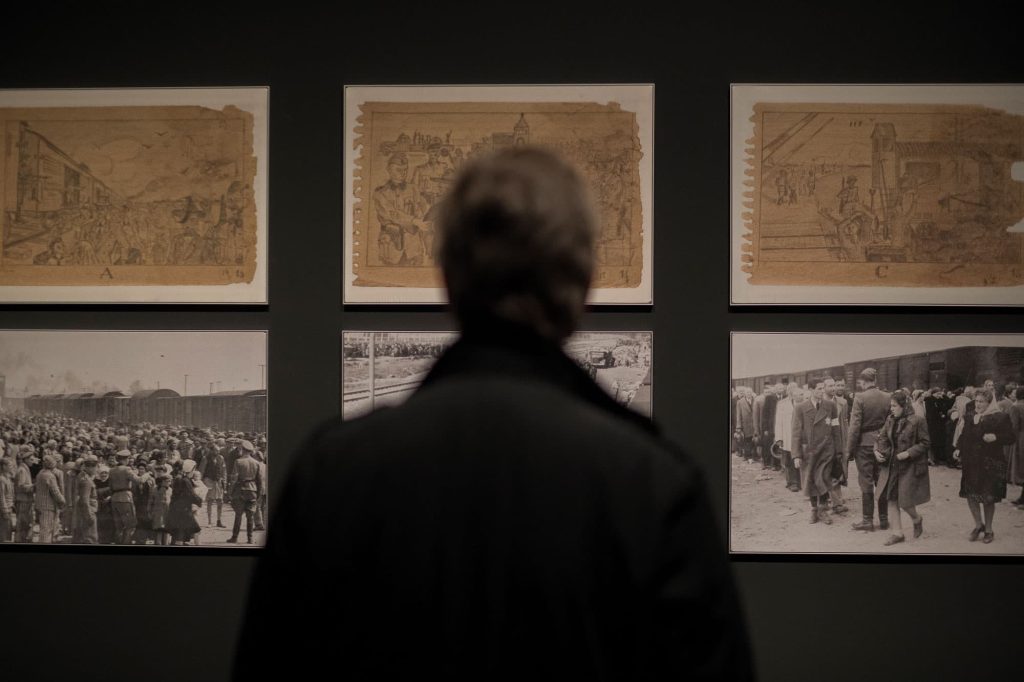
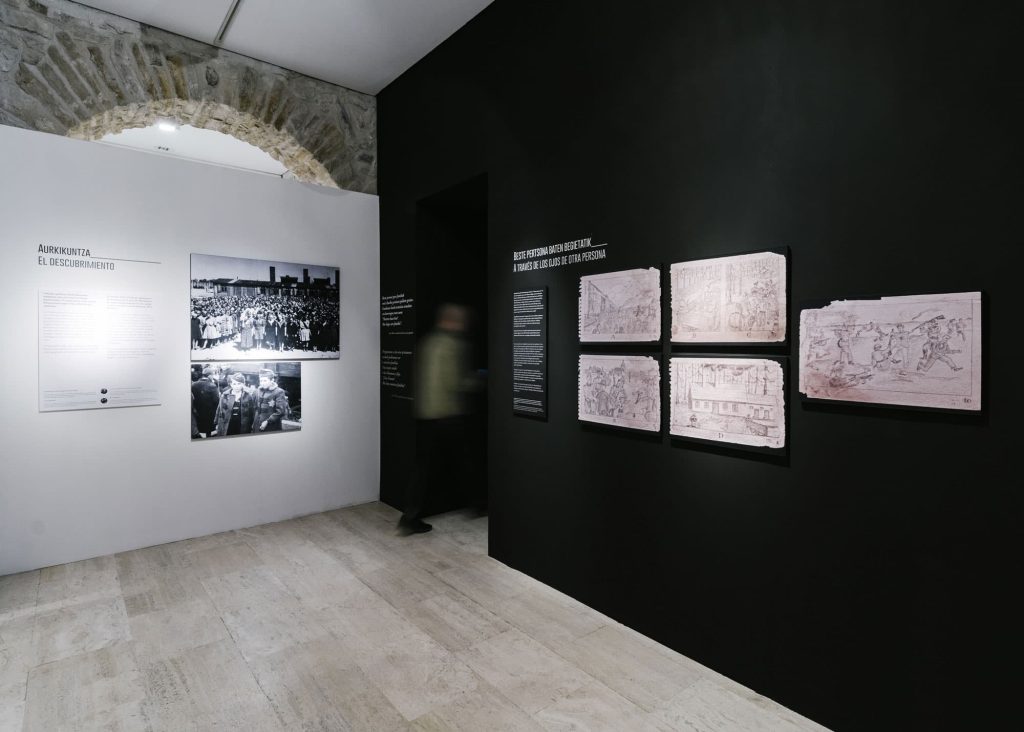
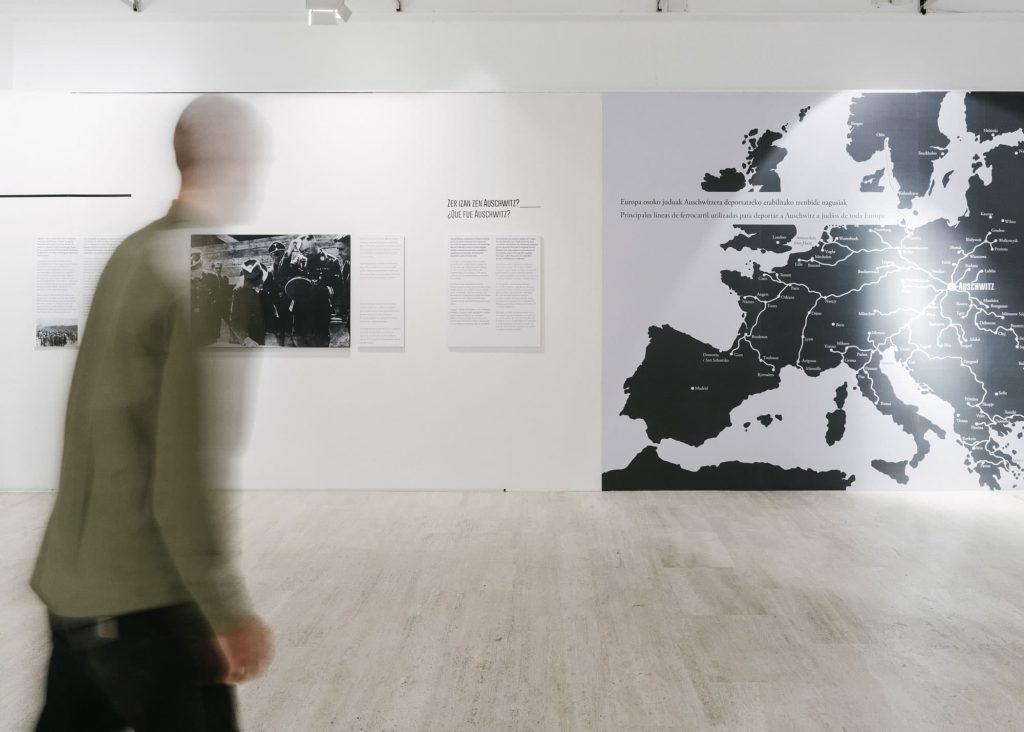
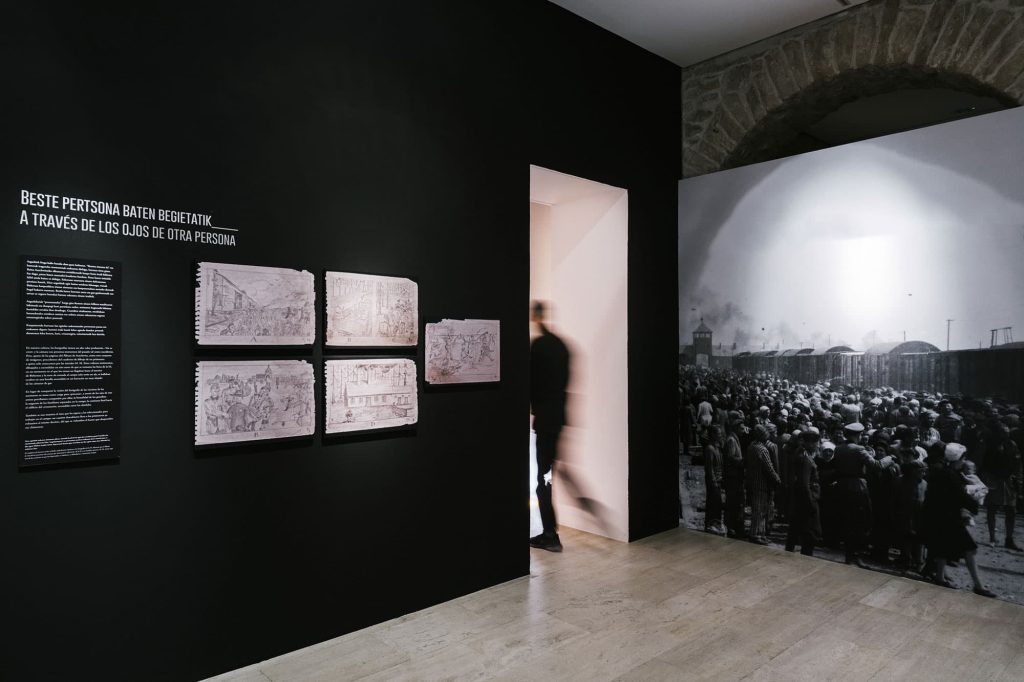
Seeing Auschwitz confronts visitors with the ethical and historical challenges of viewing Holocaust imagery. Featuring over 100 photographs and drawings—including works created by perpetrators and prisoners—the exhibition encourages critical visual literacy and reflection. Developed with the Auschwitz-Birkenau State Museum, UNESCO, and the UN, it provides a layered, responsible perspective on the crimes committed at Auschwitz and their enduring educational significance.
Curatorial Approach
Ethical engagement with imagery, multiple perspectives, historical context.
Key Facts
100+ images, international collaboration, accessible to all ages, itinerant.
Educational Value
Visual literacy, critical thinking, Holocaust education.
Why host?
Unique collaboration with leading institutions, highly educational, emotionally resonant.
Can we truly say that we have seen Auschwitz?
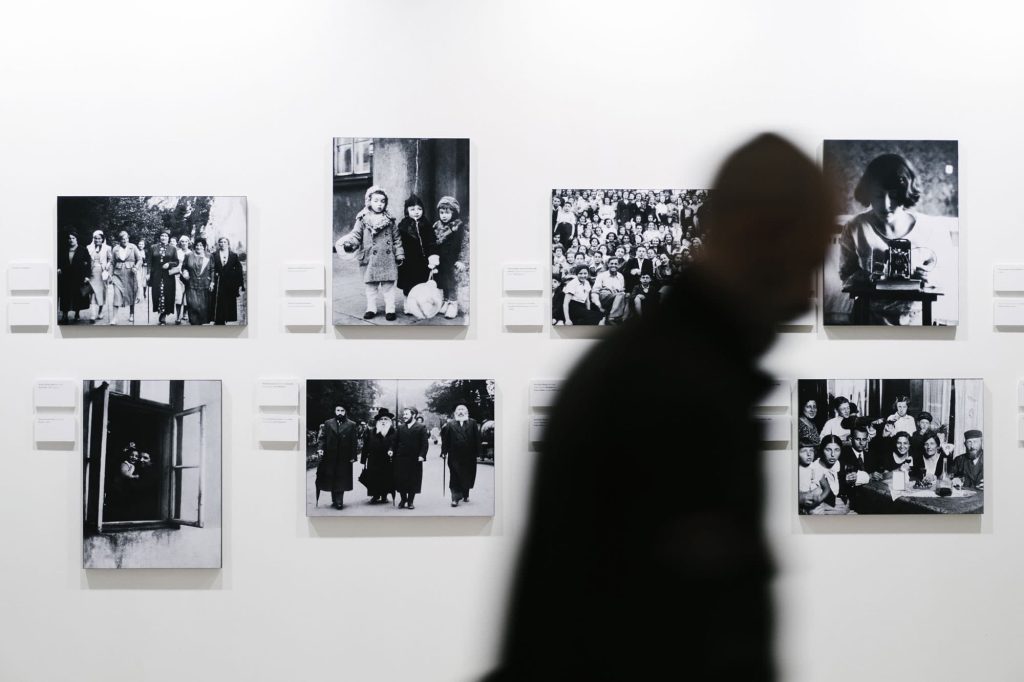
Seeing Auschwitz confronts this question through a powerful selection of more than 100 photographs and drawings, many of them created by the perpetrators themselves. These images constitute irrefutable evidence of the crimes committed at Auschwitz—the largest and deadliest Nazi concentration and extermination camp—but they also pose a profound ethical and interpretative challenge.
Because so many of these images were produced through a Nazi lens, the exhibition invites visitors to critically examine not only what is shown, but how and why these images were created. Alongside photographs taken by perpetrators, the exhibition includes visual testimonies by victims and perspectives from the outside world, creating a complex and layered visual narrative.
Rather than offering passive viewing, the exhibition encourages critical visual literacy. Visitors are invited to interrogate the images: what they reveal about the crime, the system that produced them, the people depicted, and about ourselves as viewers in the present day.
Co-produced by Musealia and the Auschwitz-Birkenau State Museum, in collaboration with the United Nations and UNESCO, this unprecedented international partnership brings together leading experts in Holocaust history, memory, and education.
Designed to be accessible to audiences of all ages and knowledge levels, Seeing Auschwitz makes a vital contribution to Holocaust education, fostering critical thinking, ethical reflection, and a deeper understanding of how images shape historical memory.
«An invitation to actively engage with history by questioning and observing.»
Blooloop

«It will change the way you think about Auschwitz and the Holocaust.»
The Article
«One of the most comprehensive photographic archives on this subject.»
The Guardian
Cincinnati Museum Center — 2025
Union Station Kansas City — 2021
Museum of Jewish Heritage — 2019
Royal Ontario Museum — 2024
Fundación Canal de Madrid — 2017